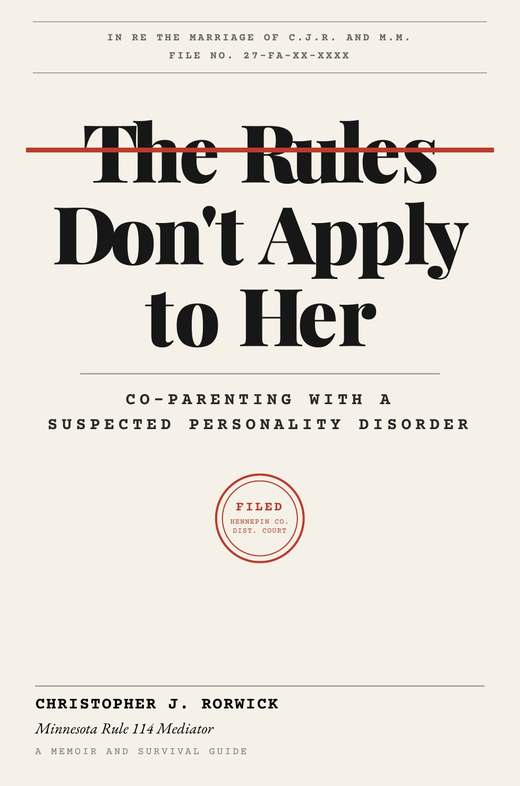
Chapter 1
The Nurses Didn’t Like Her (And I Should Have Asked Why)
There is a particular kind of intelligence that reads a room and finds the person with the most power, and then performs, flawlessly, for them. I watched her do this for years before I understood what I was watching.
She was a surgical technician and surgical assistant in Seattle when we met in 2005. In the operating room, she was extraordinary — fast, precise, unflappable under pressure. Surgeons lauded her. She had the gift of anticipating what they needed before they asked, of keeping her composure during the cases that went sideways, of projecting a calm that made everyone else in the room calmer too. If you asked a surgeon, they would have told you she was one of the best they’d worked with.
But the nurses, the people who worked alongside her day to day, who covered her shifts and shared break rooms and processed paperwork with her, told a different story. She lost positions over it. Not for her clinical skills, which were never in question. For something harder to articulate. Something about the way the rules didn’t apply to her.
Administrative protocols. Scheduling norms. The small bureaucratic architecture that makes a surgical unit function. These were, in her understanding, suggestions. Guidelines for people who lacked her judgment. She had a surgeon’s respect and that, apparently, was sufficient credential to exempt her from the parts of the job she found beneath her.
I rationalized every bit of it.
She’s too talented for the politics of this place. The nurses are jealous. She doesn’t suffer mediocrity, and that makes small people uncomfortable.
Here is what I know now that I didn’t know then: the nurses were a diagnostic instrument I didn’t know how to read.
The chapter continues in the book.